How to Use a Gait Belt Safely and Effectively for Patient Mobility?
Using a gait belt can significantly enhance patient mobility and safety. This essential tool aids caregivers in providing support and stability during transfers. A gait belt wraps around a patient's waist, allowing for secure handling. Proper use of this belt is crucial to prevent falls and injuries.
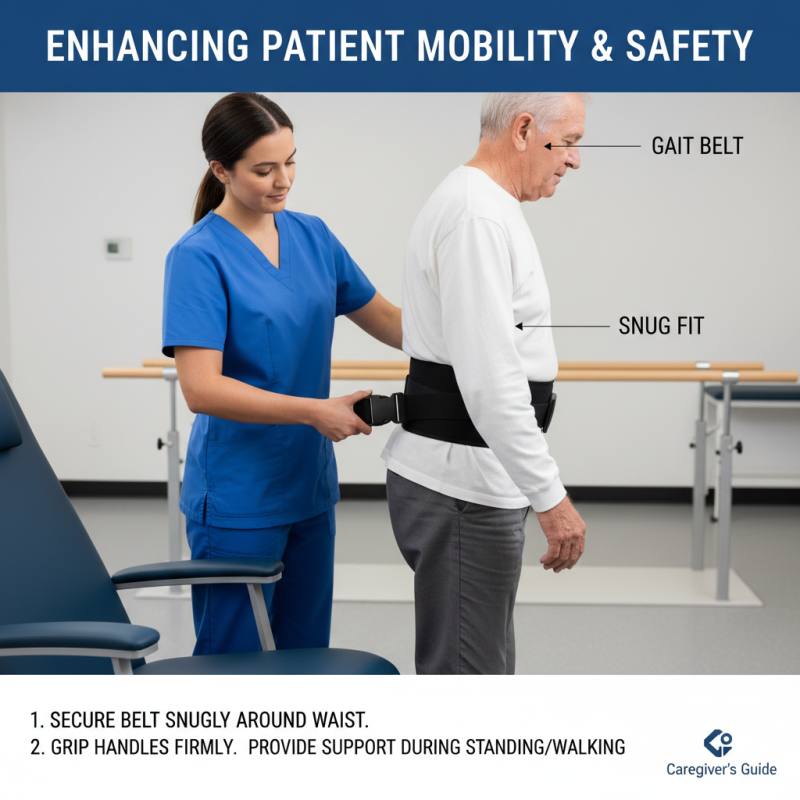
When applying the gait belt, ensure it fits snugly but is not too tight. The caregiver should maintain a firm grip on the belt while assisting the patient. Tension should be maintained, and the caregiver should be mindful of the patient’s comfort. It is vital to communicate with the patient throughout the process. Clear instructions can reduce anxiety and promote cooperation.
However, even experienced caregivers may encounter challenges. Rushing through the process can lead to mistakes. Reflect on what went wrong when situations arise. Were you too quick to assist? Did you overlook the patient's needs? By recognizing these moments, caregivers can improve their approach and ensure better outcomes for their patients. Using a gait belt requires practice and mindfulness, but its effectiveness is undeniable.
Understanding the Purpose of Gait Belts in Patient Mobility
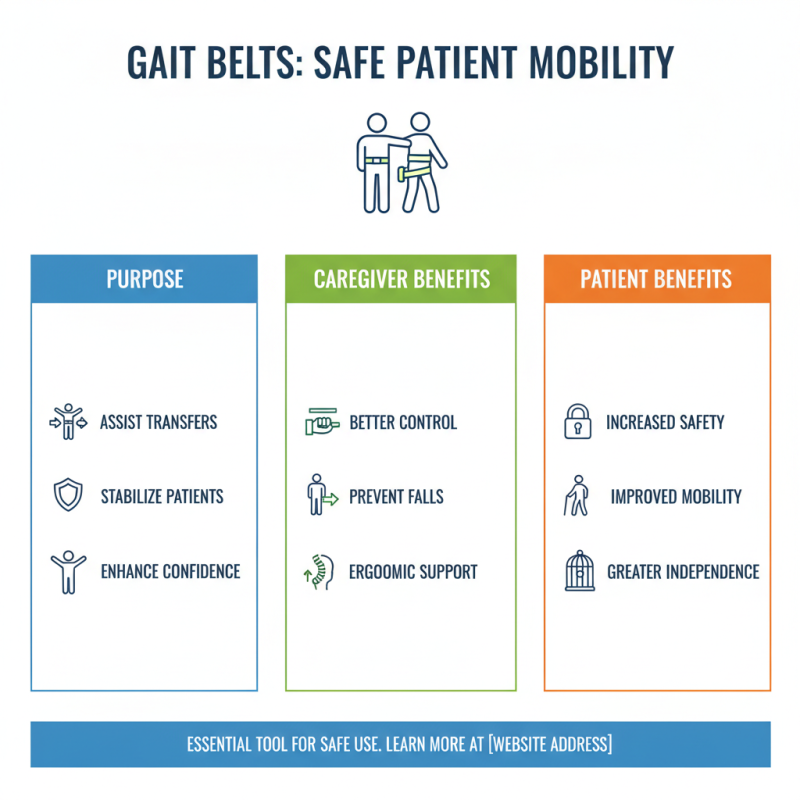
Gait belts are essential tools in patient mobility. They provide caregivers with better control when assisting patients. Understanding their purpose is crucial for safe use. Gait belts help stabilize patients during transfers. They can prevent falls and enhance confidence.
When using a gait belt, ensure it's snug but not too tight. It should fit comfortably around the patient’s waist. Check that the belt is secured properly before moving anyone. This simple step can significantly reduce the risk of injury.
Tips: Always face the patient when providing assistance. Maintain a proper stance to support their weight. Communicate clearly with the patient throughout the process. Involve them as much as possible to promote independence. Reflect on past experiences; some may have highlighted areas for improvement. Adjust your approach based on real situations.
Selecting the Right Gait Belt for Specific Patient Needs
When selecting the right gait belt, consider the patient’s specific needs. Different patients require different types of support. For those with limited mobility, a wider belt offers more stability. A thinner belt may be suitable for others who need minimal assistance.
Ensure the belt is the right length. It should fit snugly without being uncomfortable. Too long a belt may create safety risks. A belt that is too short might not provide adequate support. Always check the secure attachments. This is crucial for patient safety.
Tips: Always test the belt before lifting. Grip it firmly. Make sure you’re comfortable using it. Check for wear and tear regularly. An old, frayed belt is a safety hazard. Pay attention to patient feedback. They may have preferences or concerns. Listening to them improves mobility experiences.
How to Use a Gait Belt Safely and Effectively for Patient Mobility?
| Gait Belt Type |
Material |
Width |
Patient Weight Limit |
Ideal for |
Care Instructions |
| Standard Gait Belt |
Cotton |
2 inches |
Up to 250 lbs |
General use |
Machine wash cold, air dry |
| Padded Gait Belt |
Nylon |
3 inches |
Up to 300 lbs |
Comfort-sensitive patients |
Spot clean only |
| Quick-Release Gait Belt |
Polyester |
2.5 inches |
Up to 400 lbs |
Quick transfers |
Hand wash, air dry |
| Disposable Gait Belt |
Non-woven fabric |
2 inches |
Single use |
Infection control |
Dispose after use |
Techniques for Properly Securing a Gait Belt on a Patient
Securing a gait belt on a patient correctly is crucial for safety and efficiency. The proper positioning and adjustment of the belt can significantly impact mobility and reduce the risk of falls. Studies indicate that improper use of gait belts can lead to injuries in 22% of patients during transfers. This emphasizes the need for proper technique.
When beginning the process, ensure the gait belt is positioned at the patient's waist. It should fit snugly but not too tightly, allowing for a comfortable range of motion. The belt should be threaded through the buckle securely, with extra length tucked away to prevent tripping hazards. Remember that a loose belt can slip and lead to serious injuries. Safety guidelines suggest double-checking the fit before any transfer.
In practice, healthcare professionals should engage with the patient throughout the process. Encouraging communication can help identify any discomfort or anxiety related to mobility. Additionally, it's vital to reassess the tightness of the gait belt if the patient shifts or changes position. Regular training on gait belt techniques is essential, as research shows that ongoing education improves safety outcomes. Reflecting on these practices can help refine techniques and enhance patient care.
Step-by-Step Guide to Assisting Patient Mobility with a Gait Belt
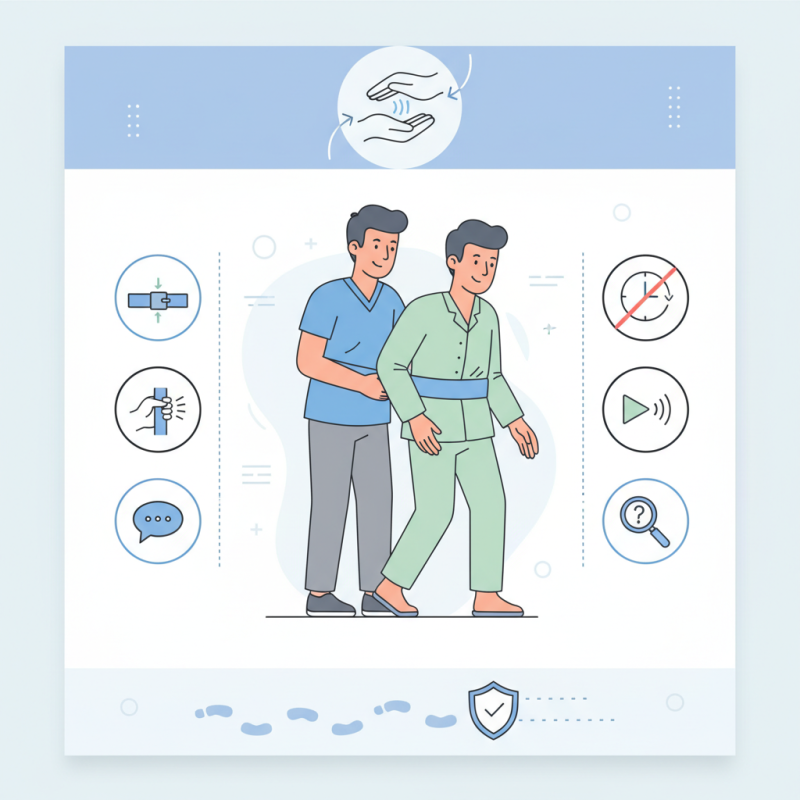
Using a gait belt can greatly enhance patient mobility. To begin, ensure the belt is positioned around the patient’s waist. Adjust it snugly but not too tight. This ensures comfort while providing support. Have the patient stand with their feet shoulder-width apart. This stance promotes stability and balance.
When assisting the patient, position yourself behind them. Use the gait belt to support the patient's movements. If the patient leans or wobbles, gently guide them back to a stable position. Remember, communication is vital. Explain each step to the patient. This can help ease anxiety and encourage participation.
However, not every attempt will be perfect. You may struggle with the timing of support. Sometimes, the patient may feel insecure or unsteady. There might be instances where the belt slips or feels uncomfortable. Reflecting on these moments can improve future assistance. Consider adjusting techniques based on each patient’s unique needs.
Patient Mobility Assistance Using Gait Belts: Frequency of Use by Setting
Safety Considerations and Best Practices in Gait Belt Usage
Using a gait belt can greatly enhance patient mobility while ensuring safety. It provides caregivers with support when assisting patients who may struggle with balance or strength. However, proper usage is crucial to prevent injuries. Always ensure the gait belt fits snugly around the patient's waist. If it’s too loose, it may slip, causing falls. Check the alignment and make adjustments if needed.
Consider the patient's comfort level when using the gait belt. Some patients may feel anxious or uncomfortable. Communication is key. Explain the process clearly. Engage them by asking if they feel secure. Additionally, watch for any signs of distress during mobility. If they seem uneasy, it may be worth reassessing your technique or the patient's position.
Regular training on using a gait belt can also improve safety. However, even with training, caregivers might make mistakes. Consider reviewing experiences with colleagues. Reflecting on challenges can improve future practices. After all, maintaining safety is an ongoing process.