Top 10 Medicare Approved Power Chairs for Your Mobility Needs?
When it comes to mobility, choosing the right equipment is essential. Medicare approved power chairs can significantly enhance the quality of life for those with mobility challenges. These chairs provide comfort and independence, allowing users to navigate their surroundings with ease.
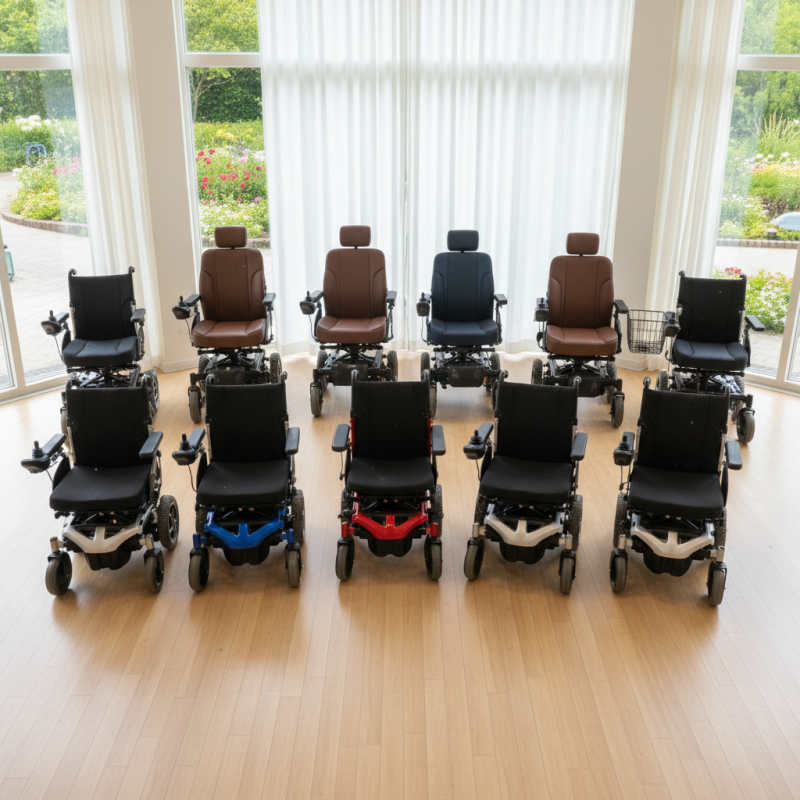
In this article, we explore the top 10 Medicare approved power chairs available today. Each option has unique features that cater to varying needs and preferences. From compact designs for small spaces to heavy-duty models for outdoor use, there’s something for everyone.
However, it's vital to remember that not every chair meets every individual's needs. Some may find certain models uncomfortable or challenging to maneuver. Assessing your specific requirements ensures that you make the best choice. After all, the right power chair can make a world of difference in daily life.
Overview of Medicare Approved Power Chairs for Mobility
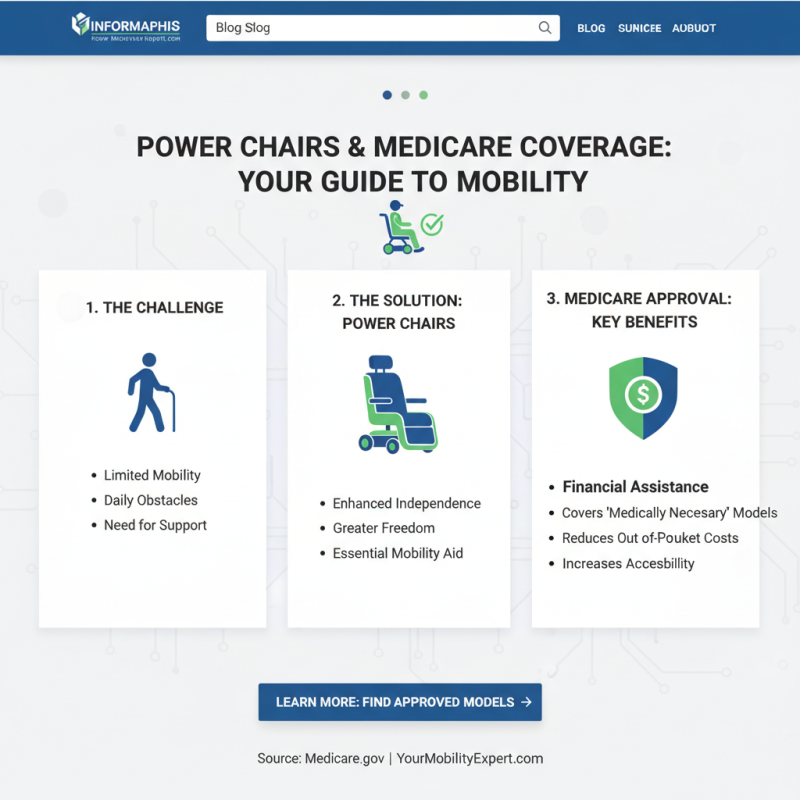
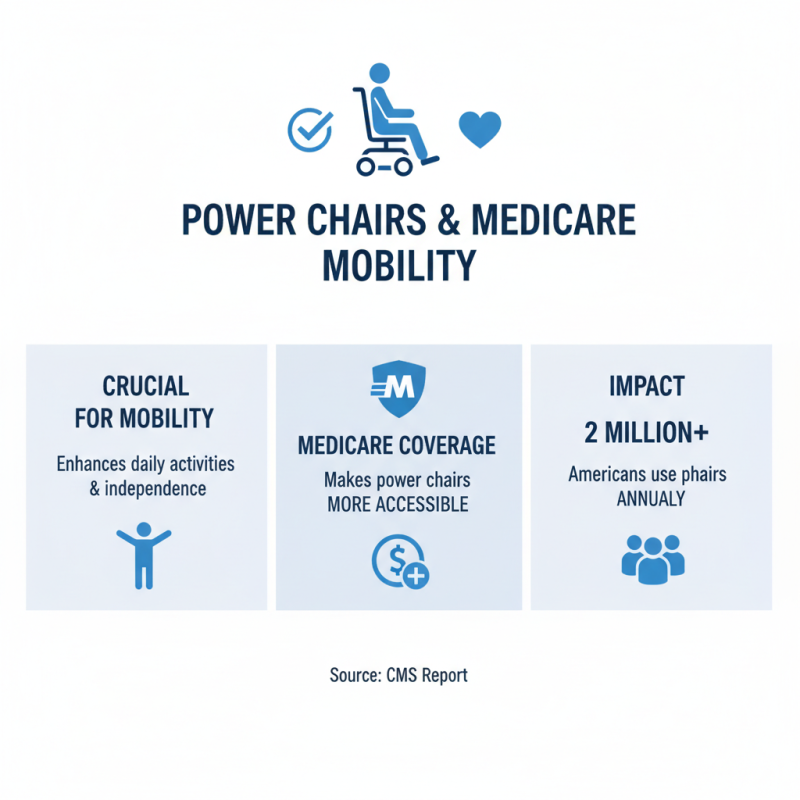
Navigating mobility challenges can be daunting. Power chairs provide essential support for those with limited mobility. Medicare recognizes certain models, making them more accessible. This approval means that eligible individuals can receive financial assistance to acquire these models. Understanding the options available is crucial for those seeking mobility solutions.
There are various types of power chairs that cater to different needs. Some are designed for indoor use, while others excel outdoors. Weight capacity is also a factor. Not everyone is aware that not all chairs are suitable for every individual. Reading reviews and getting advice is essential. The details matter greatly, such as seat width and battery life. These aspects might seem trivial, but they significantly affect daily use.
Choosing a power chair can be a personal journey. It's common to feel overwhelmed by the choices. Seeking help from healthcare providers can clarify what's best for individual situations. They may suggest assessing one's lifestyle and preferences. At the same time, it's necessary to reflect on how mobility impacts quality of life. The right power chair could change everything.
Criteria for Selecting the Right Power Chair
When selecting a power chair, comfort is key. Evaluate the seat material and adjustability. Soft padding can enhance your experience. Look for lumbar support to help maintain good posture.
Another vital factor is the chair’s weight capacity. Ensure it suits your needs. Some models have low weight limits. This can make a big difference in safety and usability. Consider your daily activities, too. Will you be indoors, outdoors, or both?
Tips: Test-drive different models. Experience their maneuverability and control. A trial run can reveal flaws in features. Ask for user feedback on comfort and reliability.
Battery life is also crucial. Check how long the chair runs on a full charge. A short battery life may hinder your mobility. Plan for your daily routine. Reflect on how far you'll go each day. This will help you make a more informed choice.
Top Features to Look for in a Power Chair
When choosing a power chair, several key features should be at the forefront of your decision.
Comfort is vital.
Look for chairs with cushioned seating and adjustable backrests. These elements contribute to long-term usability. Many models offer customizable seating to fit various body types.
This ensures a more personalized experience for users, enhancing mobility.
Another essential feature is the battery life.
Power chairs should have batteries that can last throughout the day. It’s frustrating when a chair runs out of power unexpectedly. Users often wish for longer ranges to avoid frequent recharging.
Additionally, consider the weight capacity. Chairs should comfortably accommodate the user’s weight without compromising performance.
A higher weight limit can provide peace of mind.
Portability is also crucial. Some chairs are foldable, which makes them easier to transport. Ideal power chairs should fit easily in a car trunk.
Users often reflect on how heavy their chairs feel when lifting.
Maneuverability matters too. Look for wheels that can handle different terrains. A chair that struggles on uneven ground can be frustrating.
Navigating the Medicare Approval Process for Power Chairs
Navigating the Medicare approval process for power chairs can be complex. Many people are unaware of the specific requirements needed for coverage. In fact, according to the Centers for Medicare & Medicaid Services, only 33% of applicants get approved on their first try. This statistic highlights the importance of understanding documentation and eligibility criteria.
To receive Medicare coverage for a power chair, you must prove medical necessity. This involves providing detailed information from a healthcare provider. The provider must indicate that the chair is essential for daily mobility. Gathering correct documents can be time-consuming and stressful. Many applicants face delays or denials due to incomplete submissions.
Additionally, you must meet specific conditions related to your mobility issues. For instance, you may need to demonstrate difficulty walking. Many applicants forget to include personal statements or testimonials. Such details can significantly impact approval chances. Following the proper steps is crucial but not always straightforward, leaving many feeling frustrated throughout the process. Understanding these nuances might make the journey less daunting.