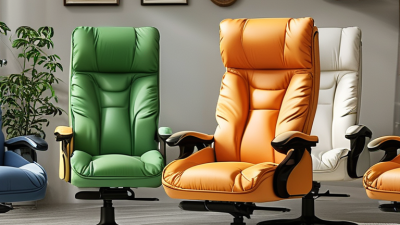
7 Tips for Buying Medical Equipment Lift Chairs

Choosing medical equipment lift chairs is not simply a matter of picking the softest model. The right chair must support safer transfers, stable sitting, and daily independence. It should also fit the user, room, caregiver routine, and clinical recommendations.

The World Health Organization reports that more than 2.5 billion people need at least one assistive product worldwide. That number may exceed 3.5 billion by 2050. Its Global Report on Assistive Technology highlights access, usability, maintenance, and user training as essential considerations. A lift chair belongs within this broader assistive-technology conversation. It is not a substitute for professional assessment.

Falls remain a serious concern. The U.S. Centers for Disease Control and Prevention reports that over one in four adults aged 65 and older falls each year. A poorly positioned chair, weak footrest, or unstable transfer can create unnecessary risk. Small details matter. Measure the doorway. Check the seat depth. Watch the lift path. Confirm the weight rating and emergency controls. Also ask whether the upholstery supports cleaning without becoming slippery.

This guide presents seven practical tips for comparing medical equipment lift chairs. It considers motor performance, positioning, comfort, safety features, warranty coverage, and supplier reliability. Some recommendations will not fit every household. That is the point. Product labels can sound reassuring, yet real-world use may reveal limitations. A careful decision combines manufacturer specifications, occupational or physical therapist input, and honest observation of the user’s daily movements.
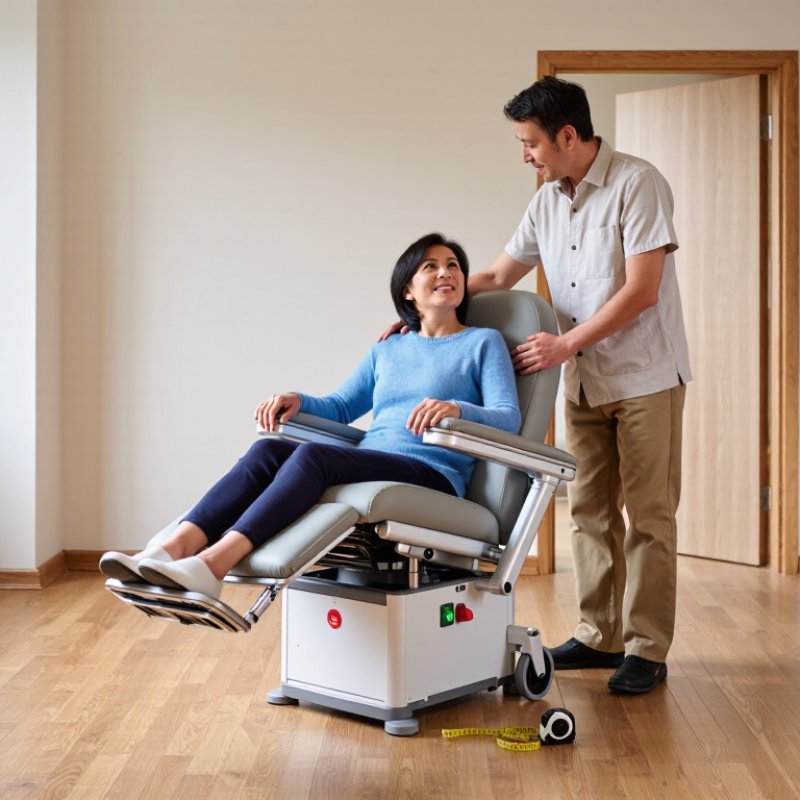
7 Tips for Buying Medical Equipment Lift Chairs

Define Clinical Needs Using CDC’s 3 Million Annual Fall-Related ER Visits

Older adults experience nearly 3 million fall-related emergency department visits annually, according to the CDC. That figure should shape every medical equipment lift chair decision.

A chair is not merely a comfort item. It can support safer sitting, standing, and repositioning during daily care.

Ask a clinician to define the user’s actual needs. Can the person bear weight? Do they have poor balance, arthritis, weakness, or dizziness? Measure the user’s height, hip width, and leg length before ordering. The seat should support the feet flatly, without pressing behind the knees. A controlled lifting motion may help someone stand, but it cannot correct unsafe transfers. Never assume it will.

Check the room carefully. Leave a clear path to the bathroom, remove loose rugs, and keep the control within reach.

Select simple controls, stable armrests, and upholstery that allows secure positioning. Consider backup operation during power loss, if clinically appropriate.

A caregiver should observe several transfers before regular use. Small details matter. I have seen equipment fit the body but fail in the room.

A rushed purchase can create new hazards, especially when the chair sits too close to a table or wall. Ask the therapist to review the setup after installation and revisit the choice if falls, sliding, or confusion continue.
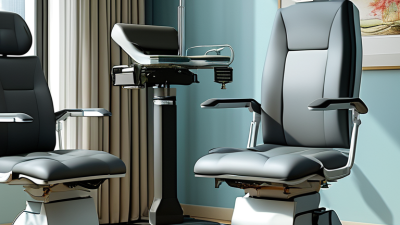
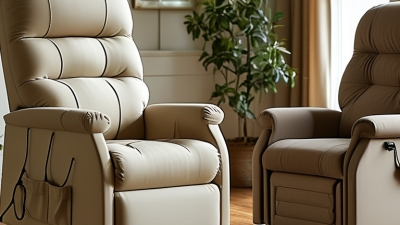
Match Seat Dimensions and 300–700 lb Capacity to User Measurements

A medical equipment lift chair should fit the person, not only the room. Measure hip width while seated, then add 2–3 inches for comfortable movement. Measure thigh length from the back of the hip to the knee. The seat should support the thigh without pressing behind the knee. Check seat height, too. Feet should rest flat, with knees near a right angle. Small errors matter.

The CDC’s 2017–2020 National Health and Nutrition Examination Survey reported a 41.9% adult obesity prevalence in the United States. That figure explains why capacity must be checked carefully. Select a chair rated from 300 to 700 pounds only after comparing the user’s weight, movement pattern, and transfer needs. Do not treat the maximum rating as a comfort guarantee. Ask whether the capacity applies to the full chair, reclining position, and lifting cycle. Confirm it in the technical manual.

Look beyond width. Compare seat depth, armrest spacing, back height, and footrest extension with the user’s measurements. The World Health Organization’s World Health Statistics 2024 highlights population aging and the growing need for supportive care environments. A firm cushion may help standing, but it can feel unforgiving after long sitting. That detail is easy to miss. Test the chair with everyday clothing and shoes, if possible. Recheck measurements after delivery; posture changes, and the first choice may not be perfect.

Verify UL 962 Electrical Safety and Battery Backup Specifications

7 Tips for Buying Medical Equipment Lift Chairs

A lift chair should move smoothly, but electrical safety deserves closer attention. Ask for evidence that the complete chair system was evaluated under UL 962, not only one internal component. The certification should match the exact model, control system, motor, and power supply. Check the rating label, certification file, and current technical documents. A vague statement such as “UL compliant” is not enough.

Inspect the power cord for secure strain relief and proper insulation. The plug should fit firmly into a grounded outlet without adapters or loose extension cords. Ask whether the chair includes overload protection, thermal protection, and safeguards against unintended movement. These details matter beside a bed or in a crowded recovery room. Small gaps in documentation can create big questions.

Battery backup specifications need equal scrutiny. Confirm the battery type, charging time, expected cycles, and rated backup operations. “Emergency backup” may mean only a few movements, not hours of normal use. Test whether the chair can lower safely during an outage, especially with a person seated. Ask how often the battery needs replacement and whether capacity declines with age. A simple test under real weight is useful, although it cannot replace professional inspection. I would also record the test date, because memory is unreliable. Safety claims should remain clear, specific, and traceable.

7 Tips for Buying Medical Equipment Lift Chairs - Verify UL 962 Electrical Safety and Battery Backup Specifications
Tip Evaluation Dimension What to Verify Before Purchase Recommended Evidence or Specification Why It Matters
1 UL 962 electrical safety Confirm that the complete lift-chair model, not only an individual component, has been evaluated to the applicable requirements of UL 962 or an equivalent nationally recognized electrical-safety standard. Check the product label, certification record, and installation instructions. A traceable certification mark or listing record that identifies the exact model or model family, together with electrical ratings such as voltage, frequency, and input current. Reduces the risk of electric shock, overheating, fire, and unsafe operation.
2 Battery-backup function Ask whether the backup battery is intended only for emergency lowering or can also support a complete lift cycle. Confirm the battery type, connector, charging method, and whether the chair operates during a power interruption. Written backup-use instructions, compatible replacement-battery information, and a documented expected number of emergency cycles or operating time under a stated user load. Provides a controlled way to return the user to a safe position during a power outage.
3 Weight capacity and user fit Compare the user’s weight, height, hip width, leg length, and transfer needs with the manufacturer’s rated capacity and chair dimensions. Do not rely on a general “heavy-duty” description without a numeric rating. Clearly stated maximum user weight, seat width, seat depth, seat height, back height, and recommended clearance around the chair. Proper sizing supports stability, comfort, motor performance, and safe transfers.
4 Lift and recline controls Test whether the hand control is easy to identify and operate. Verify that the lift, recline, and return-to-standing functions move smoothly and that the controls do not require excessive force or complex steps. Large, clearly labeled buttons; accessible control placement; a readable user manual; and a stated method for stopping movement if the user releases the control. Simple controls can reduce confusion and help prevent unsafe transfers or unintended movement.
5 Pinch, shear, and entrapment protection Inspect moving sections, footrest gaps, scissors mechanisms, and areas near the seat and armrests. Ask whether the design includes guards or spacing controls to limit access to hazardous moving parts. Safety instructions identifying pinch points, guarded mechanisms where applicable, and clearance requirements for children, pets, tubing, clothing, and mobility aids. Helps reduce injuries caused by moving components and objects caught in the mechanism.
6 Power, charging, and cable management Verify that the power supply is compatible with the intended electrical system and that the cord, adapter, and battery charger are supplied or explicitly specified. Check that the cable can be routed away from walkways and moving parts. Clearly marked input and output ratings, approved power-supply information, strain relief, accessible but protected connections, and instructions against using unauthorized adapters or extension arrangements. Correct power configuration helps prevent damage, tripping hazards, and electrical overheating.
7 Maintenance and service support Review cleaning instructions, battery replacement intervals, inspection requirements, warranty terms, repair procedures, and availability of replacement controls or actuators. Confirm who can service the chair. Complete manual, parts and service contact process, battery disposal guidance, inspection schedule, and clearly defined warranty coverage for the frame, motor, control, and battery. Regular maintenance helps preserve safe operation and reduces avoidable downtime.

Buyer checklist: Require model-specific documentation, verify electrical ratings, and test the lift-chair functions and battery-backup procedure before placing the equipment into service.

Compare Medicare Part B’s 80% Coverage Rule with Total Costs

7 Tips for Buying Medical Equipment Lift Chairs

Medicare Part B usually pays 80% of the Medicare-approved amount after you meet the annual deductible. However, this rule rarely means Medicare pays 80% of the entire lift chair. Coverage often applies only to the medically necessary seat-lift mechanism. The chair, upholstery, upgraded fabric, delivery, and installation may remain your responsibility. The supplier must also meet Medicare requirements and accept assignment when applicable. Confirm these details before ordering.

Ask your physician for documentation describing your mobility limitation and medical need. Request a written estimate showing the approved amount, deductible, coinsurance, and every non-covered charge. A chair priced at $1,800 may not produce an $360 bill, because Medicare might approve only the lift mechanism. Supplemental insurance may cover some remaining costs, but its rules vary. Check your policy carefully.

Measure the doorway, hallway, and intended room. Test the footrest, controls, transfer height, and emergency lowering method. A cheaper model can become expensive if repairs, batteries, or service visits are excluded. Read the return policy, too. Some sellers charge removal fees. I have seen buyers focus on the 80% figure and overlook the chair’s uncovered portion. That mistake is understandable, but a Medicare Summary Notice or supplier quote can expose the real cost. Medicare’s current guidance should be checked before payment, because coverage conditions and supplier rules can change.

Evaluate Warranty, Service Support, and FDA Device Classification Data

7 Tips for Buying Medical Equipment Lift Chairs

Tip: Verify the device category before comparing prices. Not every lift chair is automatically an FDA-regulated medical device. Search the FDA Product Classification Database using the chair’s intended use, product code, and manufacturer description. Classification can affect documentation, labeling, and supplier responsibilities. The FDA’s MAUDE database can also reveal reported malfunctions, although reports do not prove causation or failure rates. That distinction matters.

Tip: Read the warranty like a service contract. Check coverage for the motor, control handset, frame, upholstery, and battery backup. Ask whether labor and home visits are included. Confirm response times, replacement-part availability, and authorized repair procedures. A two-year warranty means little when the motor is excluded. Get every promise in writing. Service details are often vague.

Tip: Test the chair in the user’s actual room. Measure doorways, transfer space, and the distance from the footrest to nearby furniture. CDC data indicate that more than one in four adults aged 65 and older report a fall each year. Smooth movement, stable braking, and an emergency lowering option deserve careful attention. Ask for maintenance intervals and documented load testing. Industry data can guide decisions, but they remain imperfect. Real user fit still matters. Assess noise, heat, hand-control reach, and cleaning access before purchase.