What Are Pride Lift Chairs and Which Type Is Best?

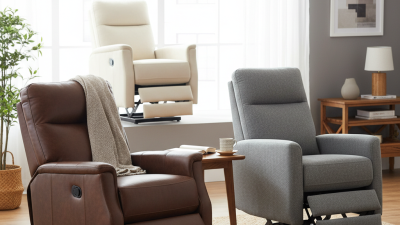
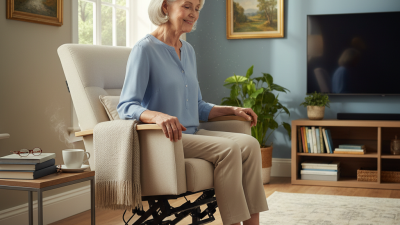
Choosing a lift chair is not simply a matter of finding the softest seat. For many older adults and people with limited mobility, pride lift chairs can make standing and sitting feel safer and less demanding. These powered recliners gently raise the user toward a standing position, then lower them into a supported seat. The difference can be noticeable beside a bed, near a television, or after a tiring shower. Comfort matters. So does control.

Pride lift chairs are available in several configurations, including two-position, three-position, and infinite-position designs. A two-position model may suit someone who mainly reads or watches television. A three-position chair offers deeper reclining for resting. Infinite-position models adjust the back and footrest separately, which may help users seeking more flexible positioning. Some models also include heat, massage, or upgraded cushioning. Features are useful, but they should not distract from fit, stability, and ease of operation.

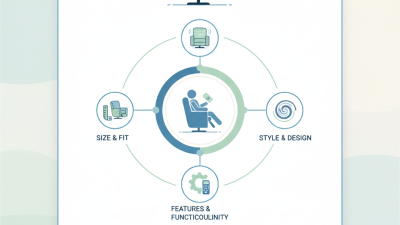
The best type depends on body size, transfer ability, daily routine, and professional guidance. Measure the room carefully. Check the seat width, seat height, reclined length, and manufacturer’s weight capacity. A remote with large, clear buttons can be more practical than a crowded control panel. Caregivers should observe whether the user can operate the chair independently and keep feet clear during movement. There is no perfect chair. A model that feels luxurious may still provide poor support. Before purchasing, discuss positioning needs with a healthcare professional and verify warranty and service details. Small measurements can prevent large frustrations.
What Are Pride Lift Chairs and Which Type Is Best?

What Are Pride Lift Chairs?

Lift chairs are powered recliners designed to help a person sit down and stand up with less strain. Their motor slowly raises the seat and tilts the user forward. The backrest and footrest usually adjust through a handheld control. This can support people with weak legs, joint pain, balance concerns, or recovery needs.

They are not ordinary recliners.

A lift chair may have one, two, or three motors. A single-motor model often moves the backrest and footrest together. Two-motor designs adjust them separately, allowing a more upright back with raised legs. Three-motor models may offer an independent headrest or lumbar adjustment. More movement sounds better, but extra controls can confuse some users.

During a home assessment, measure the doorway, floor space, and distance from nearby furniture. Check whether the user’s feet touch the floor when seated. The seat should support the hips without pressing behind the knees. A remote with large buttons may help users with limited hand strength. Battery backup is also worth checking during power interruptions.

Fit matters more than appearance.

A soft cushion can feel comfortable at first, yet become difficult to exit after several minutes. Some people also need a firmer seat than expected. This is where advice can become imperfect; comfort depends on body shape, posture, and daily habits. Ask a healthcare professional to review positioning when pain, swelling, or serious balance problems are involved. Keep the path clear, and never treat the chair as a substitute for necessary medical care.
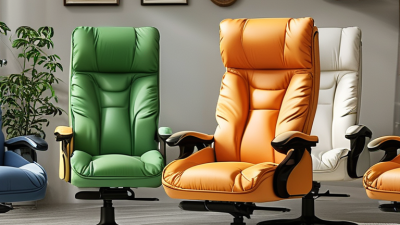

How Do Pride Lift Chairs Work?

How Do Lift Chairs Work?

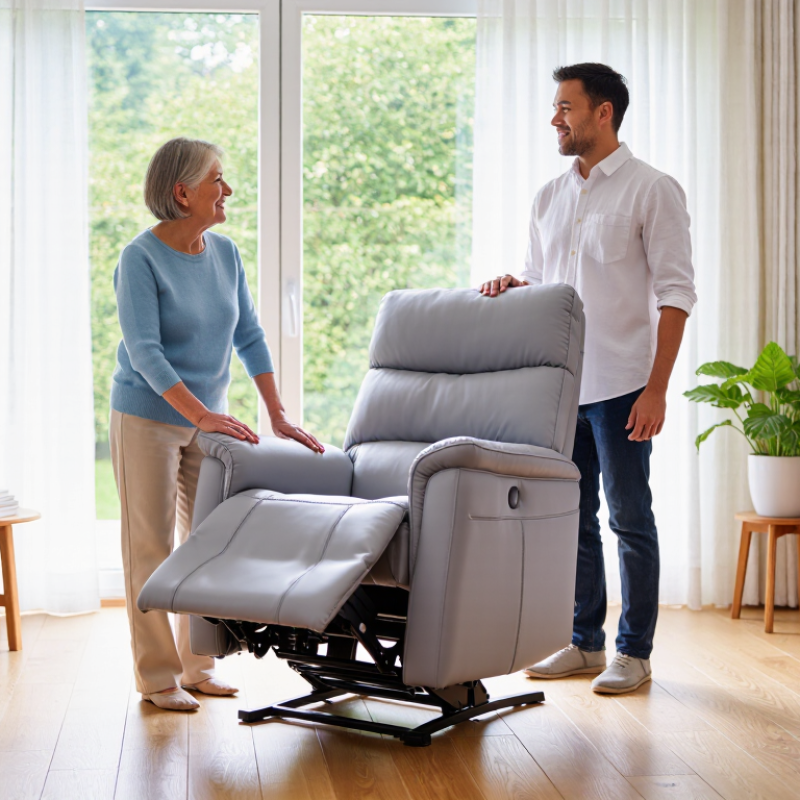
A lift chair uses one or two electric motors to change body position gradually. The motor raises the footrest, reclines the back, or tilts the entire seat forward. This forward lift reduces the strength needed to stand. A handheld remote controls each movement through simple buttons. Many models also include battery backup during short power interruptions.

Fit matters more than appearance. The user’s feet should rest flat, with knees aligned near the seat edge. The backrest should support the shoulders without forcing the head forward. The seat should also leave enough space for safe movement, but excessive width can reduce stability. Professional assessment is wise, especially after surgery or with balance problems.

The World Health Organization’s 2022 Global Report on Health Equity for Persons with Disabilities estimates that 1.3 billion people experience significant disability worldwide. The CDC also reports that about one in four U.S. adults has a disability. These figures show why powered seating can support daily independence, but they do not prove that every user needs a lift chair. That distinction matters.

Some claims deserve reflection.

A lift chair may ease transfers, yet it cannot correct poor posture, weak muscles, or unsafe flooring. Occupational therapists often review transfer technique, seat height, and home hazards before recommending equipment. Users should test the chair slowly, keep the remote accessible, and avoid standing before the footrest fully retracts. A professional fitting may prevent an expensive mistake.

What Types of Pride Lift Chairs Are Available?

Lift chairs come in several configurations, and each suits a different daily routine. A two-position model supports upright sitting and moderate reclining. It works well for reading, television, and short afternoon rests. A three-position chair reclines farther, often near a sleeping angle. It may help users who nap in the chair, but it needs more floor space.

Infinite-position chairs adjust the backrest and footrest independently. This arrangement offers finer control for swelling, back discomfort, or changing posture during the day. Some models include a zero-gravity setting, which raises the legs and shifts the torso into a balanced position. It can feel relieving, though not everyone likes the pressure distribution. Try it before buying.

Heavy-duty lift chairs use reinforced frames, wider seats, and stronger lifting mechanisms. They are useful for larger users, but capacity alone does not guarantee comfort. Measure the seat width, depth, and distance from the floor. The user’s feet should rest flat when seated. In home-care assessments, I also check armrest height and remote control visibility. Small details matter.

Some chairs include heat or massage functions. These features sound attractive, yet they can complicate repairs and raise the price. A simpler chair may be more dependable for everyday transfers. Fabric choice deserves attention too. Breathable upholstery suits warm rooms, while easy-clean surfaces help with spills. My judgment has changed over time: the most advanced chair is not always the safest or most practical choice.

What Types of Lift Chairs Are Available?

Lift chairs are commonly categorized by how their backrest and footrest move. Two-position and three-position models use preset reclining positions, while infinite-position models provide separate powered control of the backrest and footrest.

Which Features Matter in a Pride Lift Chair?

A lift chair should fit the person, not merely fit the room. The most important feature is a correctly supported sitting position. Measure the user’s height, hip width, lower-leg length, and knee angle before choosing a model. During a practical fitting, the feet should rest flat, while the knees remain close to a right angle. A deep seat may feel comfortable at first, but it can leave shorter users unsupported. That mistake matters.

The lift mechanism also deserves careful attention. Look for a smooth, controlled rise rather than sudden movement. A wired handset with large, tactile buttons can help users with limited dexterity or vision. Battery backup is useful during a power interruption, though it should not replace regular maintenance. The World Health Organization’s Global Report on Assistive Technology estimates that more than 2.5 billion people need at least one assistive product, showing why usable design matters.

Reclining positions should match daily routines. A near-flat position may support rest, while an elevated leg section can reduce pressure after prolonged sitting. Check the chair’s weight capacity, motor warranty, upholstery cleanability, and clearance from nearby furniture. The AARP 2021 Home and Community Preferences Survey found that 77% of adults aged 50 and older want to remain in their current homes. That makes quiet operation and simple controls more important than flashy extras. Comfort is personal. Measurements are less forgiving.

What Are Lift Chairs and Which Type Is Best? — Which Features Matter in a Lift Chair?
Lift Chair Type Typical Reclining Positions Best Suited For Main Advantages Potential Limitations Important Features to Check Overall Suitability
Two-Position Lift Chair Upright and partially reclined; the footrest generally elevates with the backrest. People who mainly need assistance standing and occasional leg elevation. Simple controls, fewer moving parts, compact design, and usually a lower purchase cost. Limited adjustment; it may not provide a fully reclined position for sleeping or extended rest. Lift height, seat depth, armrest support, smooth motor operation, and a comfortable footrest. Good for basic daily use
Three-Position Lift Chair Upright, partially reclined, and more fully reclined. Users who want a balance between sitting, reading, watching television, and resting. More positioning flexibility than a two-position model while remaining relatively straightforward to operate. The backrest and footrest may not move independently, limiting precise positioning. Independent or linked controls, leg-rest length, back support, upholstery durability, and battery backup. Best all-around option for many users
Infinite-Position Lift Chair The backrest and footrest can be adjusted independently through a wide range of positions. People who need frequent position changes, prolonged sitting, or more precise support. Allows customized positioning, including elevated-leg and near-flat resting positions. Usually costs more and may require more space behind or in front of the chair. Independent motors, control simplicity, maximum reclined length, motor noise, and clearance requirements. Best for maximum adjustability
Heavy-Duty Lift Chair May be available in two-, three-, or infinite-position configurations. Users who require a higher weight capacity or a wider, reinforced seating structure. Stronger frame construction, wider seat options, and increased stability when rising. Larger footprint, heavier weight, and fewer suitable locations in small rooms. Verified weight capacity, seat width, frame strength, motor rating, base stability, and warranty coverage. Best when size and capacity are priorities
Compact Lift Chair Commonly two- or three-position operation. Smaller rooms, apartments, bedrooms, or users with a shorter body frame. Requires less floor space and may be easier to place near walls or other furniture. A short seat depth or narrow seat width may be uncomfortable for larger or taller users. Seat-to-floor height, seat depth, doorway clearance, wall clearance, and footrest extension. Best for space-constrained rooms
Power-Lift Recliner with Battery Backup Position options vary by the underlying lift-chair mechanism. Users who want continued access to the lift function during a temporary power outage. A rechargeable backup system can help return the chair to a safer position when household power is unavailable. Backup systems have limited capacity and should not be treated as a long-term power source. Battery type, charging method, expected cycles, emergency operation instructions, and replacement availability. Best where power reliability is a concern
Heat and Massage Lift Chair Position options vary by the chair’s reclining mechanism. Users seeking added comfort features for relaxation rather than medical treatment. May provide soothing warmth and vibration-based massage in selected areas. Heat and massage functions are comfort features and may be unsuitable for some medical conditions. Independent heat controls, automatic shutoff, intensity settings, washable covers, and simple remote operation. Best for comfort-focused use
Key Selection Criteria: Measure the user’s height, weight, hip width, seat depth, and lower-leg length before choosing a lift chair. The chair should provide stable support during the lift cycle, allow the feet to rest comfortably, and leave adequate clearance from walls and nearby furniture.

How to Choose the Best Pride Lift Chair for Your Needs?

Choosing a lift chair should begin with your body, not the fabric color. Measure your height, hip width, and available floor space carefully. Fit matters.

When seated, your feet should rest flat, and your knees should remain near a right angle. The backrest should support your shoulders without pushing your head forward. Ask a healthcare professional to assess posture if you have arthritis, balance problems, or recent surgery. A two-position model may suit simple sitting and standing needs. A three-position model offers more leg elevation and reclining flexibility. Infinite-position designs can adjust the back and footrest separately, which helps people with circulation or sleeping concerns.

Check the chair’s weight capacity and compare it with your actual needs, allowing a sensible safety margin. Test the lifting movement before buying. It should rise steadily, without sudden stops or alarming noise. The handset needs large, clear buttons, especially for users with weak grip or limited vision. Choose breathable upholstery for warm rooms, but consider easy-clean fabric if spills are likely. Battery backup is useful during power interruptions, though it still requires regular checking. Warranty coverage, repair access, and replacement-part availability reveal more than attractive advertising. I have seen buyers focus on softness and overlook seat depth. That mistake can cause sliding, pressure, and poor support. A home trial is ideal, because a showroom chair may feel different after an hour. No chair fits everyone. Recheck your measurements before ordering.