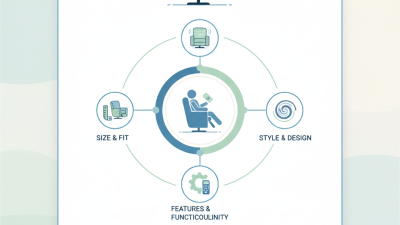
Golden lift chairs are powered recliners designed to support sitting, reclining, and standing with less physical strain. They use an electric motor, lifting mechanism, and hand control. When activated, the chair tilts forward gradually. This movement can help users rise without pulling hard on armrests or pushing through painful knees.
The need is substantial. The World Health Organization reports that 1.4 billion people will be aged 60 or older by 2030. In the United States, the U.S. Census Bureau projects that one in five residents will be over 65 by that year. These figures do not prove that every older adult needs a lift chair. They do show why safer home mobility deserves careful attention. A chair may feel supportive in a showroom, yet become difficult in a narrow room or beside a low table.
Ron Mace, founder of the Center for Universal Design, described good design as “usable by all people.” That principle helps explain how golden lift chairs should be assessed. Look beyond fabric and appearance. Check the seat height, lifting angle, motor noise, emergency lowering options, and weight capacity. The Rehabilitation Engineering and Assistive Technology Society of North America recommends matching assistive technology to the user, task, and environment. That advice remains practical here. Comfort alone is not enough. Fit matters more.
Some product claims sound stronger than the evidence. Reviews can also overlook caregiver experience. A thoughtful buyer should measure doorways, test the control, and ask a healthcare professional about posture and transfer safety. These simple checks can prevent an expensive mistake.
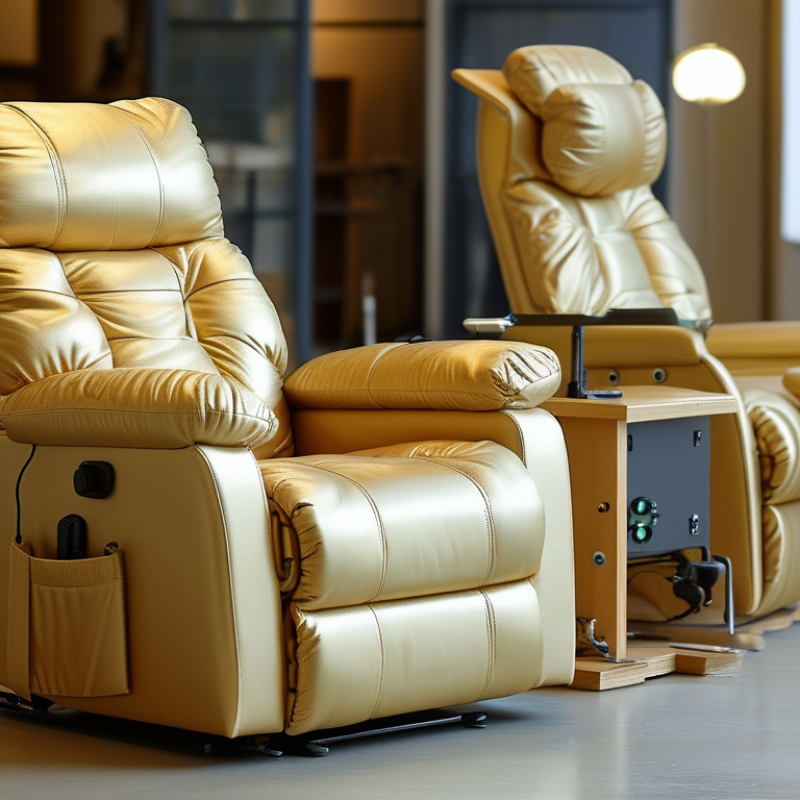
A golden lift chair is usually a powered recliner that raises the seat and tilts the user forward. The term is not perfectly standardized. It may describe a lift chair with a warm gold finish, rather than a separate medical category. Its steel frame, electric motor, padded seat, and handheld control support sitting, reclining, and standing. Pressing one button moves the backrest and footrest. Another button slowly lifts the seat’s front edge.
These chairs are designed for older adults, people with arthritis, reduced leg strength, balance concerns, or recovery-related mobility limits. The need is substantial. The World Health Organization reports that one in six people worldwide will be aged 60 or older by 2030. In the United States, the Centers for Disease Control and Prevention says more than one in four adults aged 65 and older falls each year. A lift chair cannot prevent every fall. It can reduce the twisting and pushing needed to stand, especially beside a stable walking path. That detail matters.
A suitable chair should fit the user’s height, hip width, leg length, and weight. Feet should rest comfortably when seated. The remote should be reachable without leaning. Occupational therapists often assess transfers, posture, and home hazards before recommending equipment. Family experience also reveals practical issues, such as noisy motors, trapped footrests, or confusing controls. I would not treat a lift chair as a complete mobility solution. Some users still need a walker, transfer training, or professional medical advice. (WHO, World Health Organization; CDC, Important Facts About Falls)

Golden lift chairs are powered recliners designed to help users sit, recline, and stand with less effort. Their main component is a quiet electric motor. The motor moves the backrest and footrest through a handheld control. Some models use one motor, while others use two for separate movement. This difference affects comfort, positioning, and price.
A sturdy steel frame supports the chair and helps maintain balance during lifting. Padded armrests provide steady hand support. High-density foam can reduce pressure during longer sitting periods, although softness alone does not guarantee good posture. Upholstery may include fabric, synthetic leather, or moisture-resistant materials. Each option feels different against the skin and requires different cleaning methods.
Safety features deserve careful attention. A wide base reduces rocking, while an emergency battery backup can return the chair to a safer position during a power failure. Some chairs include thermal protection, cable covers, and anti-trap spacing near moving parts. The remote should have large, clearly marked buttons. That matters for users with limited vision or hand strength. Weight capacity must match the user, not just the chair’s appearance. I would also check the lift speed, noise level, warranty terms, and space behind the chair. A chair can look excellent in a showroom but feel awkward in a small room. Measurements are easy to overlook.
What Are Golden Lift Chairs and How Do They Work?
How the Lifting and Reclining Mechanisms Work
A lift chair uses an electric motor to change the user’s position gradually. When the lift button is pressed, the motor moves a sturdy metal frame forward and upward. The seat tilts, while the backrest and footrest remain coordinated. This movement helps a person stand with less strain on the knees, hips, and lower back. The chair does not simply push upward. It guides the body toward a standing position.
The reclining function uses the same motor system, or a separate motor in some models. Pressing the control lowers the backrest and raises the footrest. The movement should feel smooth, without sudden stops or sharp pressure points. A handheld control usually operates each direction with simple buttons. Some chairs pause briefly when changing positions. That is normal, but it can feel confusing at first.
In practical use, placing both feet firmly on the floor improves stability before standing. Keep the chair on a level surface, and avoid blocking its moving parts. A reliable model should include an emergency stop or safe power design, though features vary. I have found that extra cushioning can improve comfort, yet too much softness may make standing harder. No mechanism feels perfect for every body. The right fit depends on height, leg length, balance, and daily movement needs.
Typical angular positions during lifting and reclining
A lift chair uses an electric actuator to move the chair frame through coordinated positions. In the upright position, the backrest and footrest remain nearly vertical and lowered. During lift assistance, the seat tilts forward to help the user stand. In the reclined position, the backrest moves backward while the footrest rises to support the legs.
Golden lift chairs are powered recliners designed to help users stand with less strain. A motorized actuator raises the seat slowly, tilting the body forward. The backrest and footrest then adjust for sitting, reading, resting, or sleeping. Controls are usually hand-held and simple.
Their main value is practical support. They may help older adults, people with arthritis, and users recovering from surgery. The CDC reports that falls cause over three million emergency visits among older adults in the United States each year. A correctly fitted lift chair can reduce unstable standing movements, but it cannot prevent every fall. AARP’s Home and Community Preferences Survey also found that 77% of adults aged 50 and older want to remain in their current homes. This makes supportive furniture relevant to aging-in-place plans. Still, comfort can hide poor posture or weak transfer habits.
Tips: Measure the user’s height, hip width, and leg length before buying. Feet should rest flat when seated. Keep cables away from walkways and never operate the lift while standing. Place the chair on a level floor, leave space behind it, and check whether battery backup is available. Ask an occupational therapist for guidance after surgery or when balance is poor. A chair that feels comfortable may still be the wrong size. Recheck the fit after regular use.
What Are Golden Lift Chairs and How Do They Work?
A lift chair uses a powered motor to raise the seat and support standing. It can also recline for reading, resting, or sleeping. Choosing one requires more than comparing colors and prices. Measure the user’s height, hip width, and leg length before ordering. The feet should rest flat, while the knees remain comfortably supported. A seat that feels generous may still be too deep. Do not rely on appearance alone.
Check the chair’s weight capacity, lifting speed, recline positions, and emergency battery option. A simple remote with large, distinct buttons often works better for limited hand strength. Leave clear space around the chair, especially near the footrest and wall. A healthcare professional or experienced mobility specialist can assess posture and transfer needs. Still, no checklist catches every comfort issue. Sit in the chair for several minutes. Notice pressure behind the knees.
Maintenance protects both comfort and safety. Keep the motor area free from toys, blankets, and pet hair. Inspect the power cord, remote cable, bolts, and moving parts each month. Stop using the chair if it makes unusual noises or moves unevenly. Unplug it before cleaning around the mechanism. Use a soft cloth and suitable upholstery cleaner, following the care instructions. Avoid forcing the footrest by hand. I once assumed regular operation meant a chair was healthy, but hidden cable wear proved otherwise. Small checks matter.
| Data Dimension | What It Means | Typical or Relevant Data | Selection and Maintenance Guidance |
|---|---|---|---|
| Product definition | A powered recliner that raises the seat to help the user stand and lowers the user gently into a seated position. | Usually operated by a wired hand control and an electric actuator or motor. | Confirm that the chair is a powered lift recliner rather than a standard manual recliner. |
| Main operating cycle | The motor moves the chair through lifting, sitting, reclining, or returning positions. | The user normally presses and holds a button until the desired position is reached. | Release the control if the chair stops unexpectedly, makes unusual noise, or encounters an obstruction. |
| Lift mechanism | The seat and backrest tilt forward and upward to reduce the effort needed to stand. | The lift angle, seat height, and travel range differ by model and user size. | Choose a lift height that allows the user’s feet to reach the floor and supports a stable standing position. |
| Recline positions | Recline settings adjust the backrest and leg rest for sitting, reading, resting, or sleeping. | Common configurations include two-position, three-position, and infinite-position designs. | A two-position model is simpler; an infinite-position model offers more adjustment but may use more components. |
| Weight capacity | The maximum user weight the frame, motor, and lifting mechanism are designed to support. | Capacity varies considerably by model; many standard chairs are rated around 300–375 lb, while heavy-duty models may be rated higher. | Never use the chair above its stated rating. Check the product label or user manual before purchase. |
| Seat dimensions | Seat width, depth, and height affect posture, comfort, and ease of standing. | Dimensions vary by model; the user should be able to sit with the back supported and feet flat on the floor. | Measure the user and compare the measurements with the manufacturer’s seating chart. Avoid a seat that is too deep or too high. |
| Power requirements | The motor requires household electrical power to operate. | Most household models use a standard electrical outlet and a low-voltage hand-control system, but specifications vary. | Use the supplied power adapter and avoid extension cords unless the manual specifically permits them. |
| Battery backup | A backup battery may provide temporary operation during a power interruption. | Battery backup is optional on many models and is generally intended to return the chair to a safe position, not for normal daily use. | Install the specified battery type, replace depleted batteries promptly, and test the backup periodically. |
| Clearance requirements | The chair needs space behind and in front of it to move safely while reclining and lifting. | Wall clearance depends on the mechanism; wall-hugger designs generally require less rear space than traditional recliners. | Measure the chair in both upright and fully reclined positions. Keep pathways and exits unobstructed. |
| Upholstery options | The covering affects comfort, cleaning, durability, and suitability for sensitive skin. | Common materials include fabric, microfiber, vinyl, and leather-like or leather upholstery. | Follow the care code for the specific material. Do not saturate upholstery or use unapproved chemical cleaners. |
| Safety features | Safety features help reduce pinch, tipping, electrical, and unintended-movement risks. | Useful features may include an emergency battery, anti-tip construction, hand-control lockout, and protected moving parts. | Keep children and pets away from moving joints. Do not place hands, feet, or objects beneath the chair while it operates. |
| Daily operation | Correct use helps protect the motor, frame, and upholstery. | Operate the chair from a stable seated position and use smooth, deliberate control inputs. | Do not sit on the raised footrest, stand on the chair, or allow multiple people to use it unless the manual permits it. |
| Cleaning schedule | Regular cleaning prevents dirt, moisture, and debris from damaging the upholstery or mechanism. | Dust or vacuum seams regularly; wipe spills promptly with a suitable, lightly damp cloth. | Disconnect power before cleaning near electrical parts and keep liquids away from the motor, control, and power connections. |
| Inspection points | A visual and functional check can identify problems before they become serious. | Inspect the power cord, hand control, connectors, frame, exposed fasteners, and unusual sounds or movement. | Stop using the chair if it sparks, smells hot, moves unevenly, or has damaged wiring. Arrange qualified service. |
| Maintenance frequency | Routine care supports reliable operation but does not replace professional servicing. | Clean regularly and inspect monthly or whenever the chair develops a change in noise, speed, alignment, or movement. | Do not lubricate or disassemble the mechanism unless the user manual specifically instructs you to do so. |
| Best buyer checklist | The right chair should match the user’s body measurements, mobility needs, room layout, and care requirements. | Check capacity, seat dimensions, lift and recline positions, power source, battery option, upholstery, warranty, and service availability. | Ask a healthcare professional for guidance when the user has significant balance, strength, transfer, or positioning limitations. |
El Paso – Main Branch