How to Choose the Right Medical Lift Chair for Your Needs?
Choosing the right medical lift chair can be challenging. Dr. Emily Hart, a leading expert in mobility solutions, states, “The right lift chair can significantly enhance independence.” Her words resonate deeply as many require this support.
When selecting a medical lift chair, consider personal needs. Different models provide various features. Some focus on comfort, while others emphasize ease of use. Are you looking for a chair that tilts or one that reclines? Think about your daily routines and how a lift chair fits in.
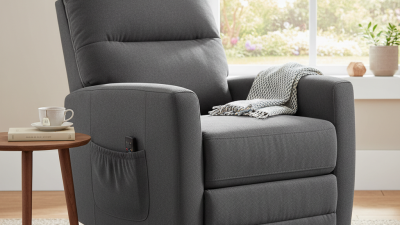
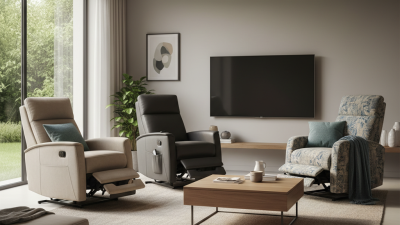
Don't overlook aesthetics. A chair that matches your home decor matters. It shouldn't stand out like a sore thumb. Ultimately, the goal is to improve quality of life. Reflect on what you truly need before making a decision. This chair should feel like an extension of your home, not just a medical necessity.
Understanding the Basics of Medical Lift Chairs and Their Benefits
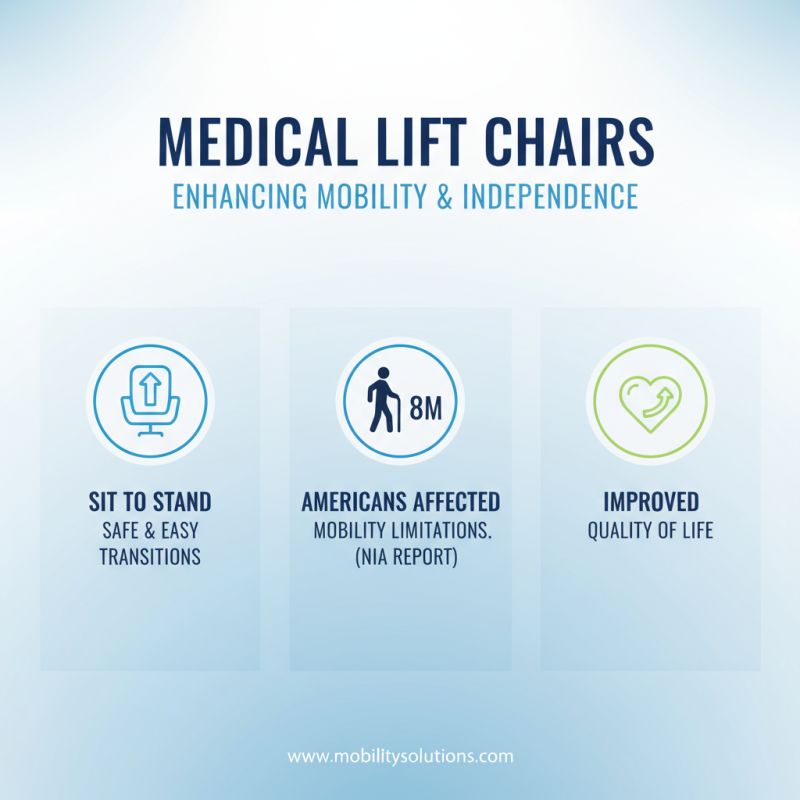
Medical lift chairs provide essential assistance for those with mobility issues. They are designed to help users safely transition from sitting to standing. According to a report by the National Institute on Aging, nearly 8 million Americans are affected by mobility limitations. These chairs can significantly improve their quality of life.
The benefits of medical lift chairs extend beyond mere convenience. They often include features such as adjustable backrests and footrests. This customization aids in achieving optimal comfort. Additionally, 75% of users report reduced physical strain when getting up from these chairs. However, not all lift chairs are created equal. Some lack adequate support or have poor durability, requiring careful consideration during purchase.
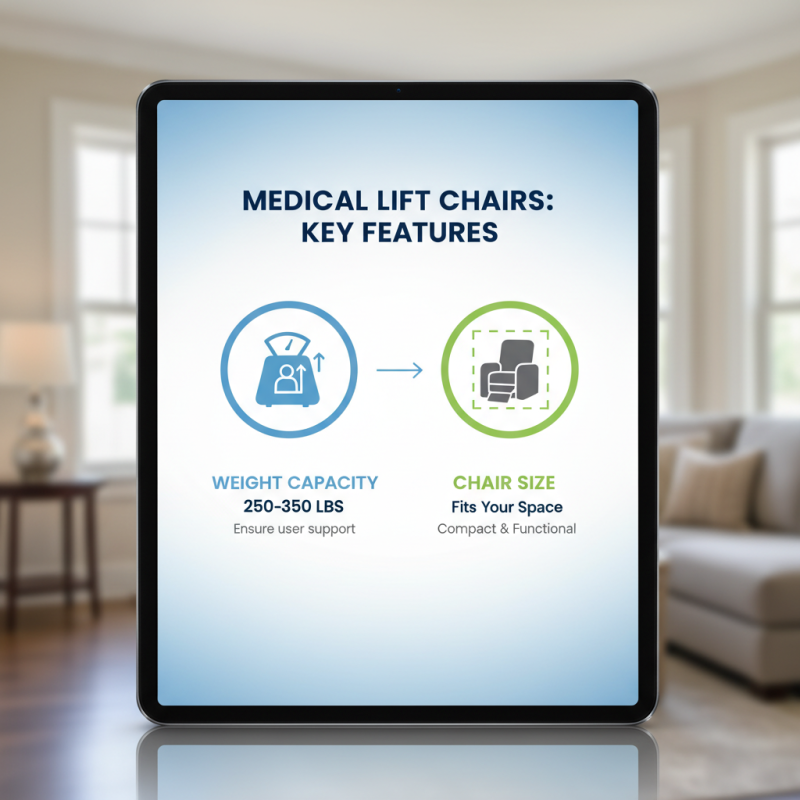
When choosing a lift chair, it's essential to assess individual needs. Weight capacity, size, and comfort matter greatly. For instance, a chair that is too large can lead to inefficient use. Moreover, not all users might find the chair aesthetically pleasing. This can affect their willingness to use it regularly. Balancing functionality with design is crucial for long-term satisfaction.
Identifying Your Specific Needs for a Medical Lift Chair
Choosing the right medical lift chair involves understanding your specific needs. Assessing mobility challenges is crucial. According to industry reports, around 20% of seniors struggle with mobility issues. A chair that assists with standing can greatly enhance independence. Consider features like height adjustment and reclining options.
Tip: Test different chairs before purchasing. Sit in the chair to feel comfort and support. Check if the seat height suits your needs.
Investigate weight capacity as well. Most lift chairs support between 250 to 350 pounds. If you need additional support, ensure the chair meets this requirement. Look for added features like heat and massage for extra comfort.
Tip: Pay attention to materials. Choose fabrics that are easy to clean and durable. Consider your lifestyle and maintenance needs when making a decision.
How to Choose the Right Medical Lift Chair for Your Needs?
| Feature |
Description |
Considerations |
| Weight Capacity |
Maximum weight the chair can support. |
Choose a chair that exceeds the user's weight for safety. |
| Seat Height |
Height from the ground to the top of the seat. |
Consider the user's height and ease of getting in and out. |
| Reclining Feature |
Ability to recline the backrest and footrest. |
Decide how much reclining is needed for comfort or medical reasons. |
| Material |
Type of fabric or leather used on the chair. |
Consider ease of cleaning and durability. |
| Power Source |
How the chair is powered (electric, battery-operated). |
Electric chairs require a power outlet; battery-operated offers flexibility. |
Types of Medical Lift Chairs and Their Suitable Uses
Choosing the right medical lift chair involves understanding various types tailored for specific needs. There are primarily three categories:
standard lift chairs,
infinite position lift chairs, and
zero-gravity lift chairs.
Standard lift chairs are ideal for users with basic mobility issues. They provide simple up and down motions, helping individuals stand or sit comfortably. In fact, reports show that around 60% of users opt for this model due to its straightforward functionality. However, it may lack adjustability for those needing more support.
Infinite position lift chairs offer advanced features. They allow users to recline to any desired angle, enhancing relaxation and comfort. About 30% of users prefer this model to alleviate pressure on the back and improve circulation. Yet, it may be complex for some elderly users to operate effectively.
Zero-gravity lift chairs elevate the legs, reducing stress on the spine. It's noted that these chairs are gaining popularity for their health benefits.
Always reflect on individual needs before making a choice. Not all chairs work for everyone. Some may need more space or specific features than anticipated. Researching options, coupled with professional consultation, often leads to better outcomes.
Evaluating Comfort, Support, and Aesthetic Preferences in Lift Chairs
When choosing a medical lift chair, comfort is crucial. Look for soft, breathable fabrics. These materials help to keep you relaxed. A chair that fits your body well can prevent discomfort during long periods of sitting. Test the seat depth and height before making a decision. It should provide adequate support to your back and legs.
Support is another key factor. A well-designed lift chair should offer lumbar support. This is essential for maintaining good posture. Consider adjustable options; they allow personalized adjustments that can enhance your sitting experience. Don’t just focus on how the chair looks. A visually appealing design is great, but function should not be overlooked.
Aesthetic preferences matter too. Your chair should match your home decor. Think about colors and styles that blend in. However, be aware that these choices can be limiting. Not all stylish chairs will meet your comfort needs.
Balance between style and function can be tricky. Be prepared for the possibility that your ideal chair may not exist. Prioritize your health needs over appearance when possible.