What Type of Mobility Lift Chairs Are Best?

Choosing the right mobility lift chairs can change how safely and comfortably someone stands, sits, and rests at home. The best option is rarely the most expensive model. It should match the user’s height, weight, balance, transfer ability, and daily routine.

Dr. Rory Cooper, a rehabilitation engineer and mobility researcher, offers a helpful principle: “Mobility is about participation, not simply movement.” That idea matters here. A lift chair should support real activities, such as reaching the kitchen, answering the door, or sitting beside family. It should not merely look impressive in a showroom.

Some chairs use a two-position lift mechanism, while others offer three positions or full recline. A two-position model may suit someone who mainly needs standing assistance. A three-position model can provide better reading and television comfort. Full-recline designs may help users rest flat, but they often require more room behind the chair.

Small details can decide the outcome. Measure the doorway. Check the seat depth. Test the footrest. Confirm the hand-control buttons are easy to press. Ask whether the battery backup works during a power outage. These steps sound ordinary. They prevent costly mistakes.

No chair is perfect. A soft cushion may feel comfortable but provide poor support. A powerful motor may lift smoothly but operate loudly. Personal assessment from a qualified occupational therapist or medical professional can improve the decision. This guide compares the main types of mobility lift chairs, their practical strengths, and the limitations buyers sometimes overlook.
What Type of Mobility Lift Chairs Are Best?

What Is a Mobility Lift Chair and How Does It Work?

What Type of Mobility Lift Chairs Are Best?

What Is a Mobility Lift Chair and How Does It Work?

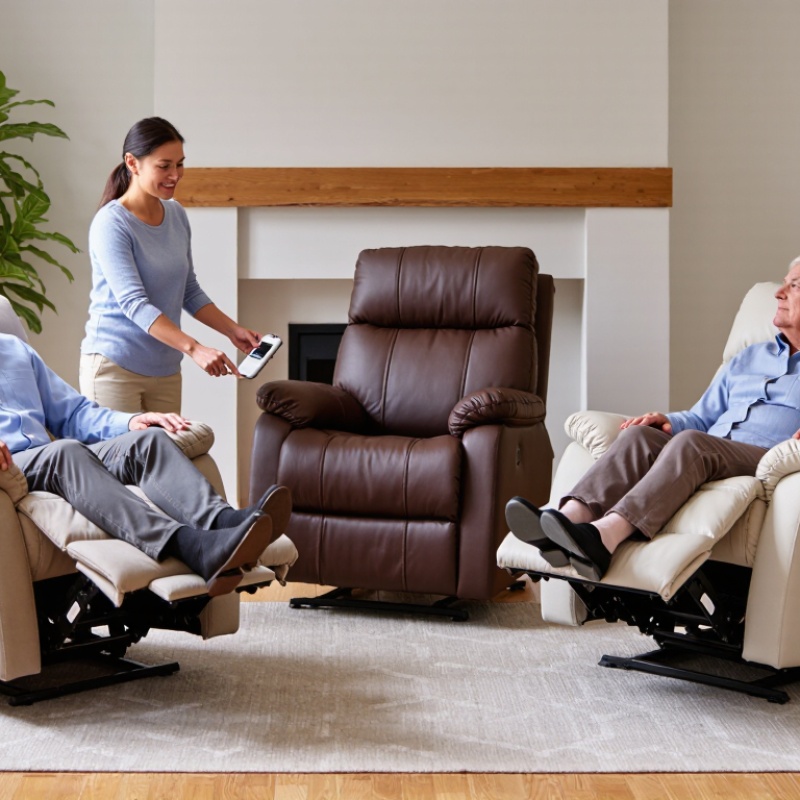
A mobility lift chair is an electrically powered recliner that helps a person sit down and stand up. It uses a quiet motor, a control handset, and a lifting mechanism beneath the seat. When activated, the chair slowly tilts and raises the user toward a standing position. It can also recline the backrest and elevate the legs for rest. The movement should feel steady, not sudden. In practice, a lift chair can reduce strain on the knees, hips, and lower back. However, it does not replace professional mobility support.

Single-motor models usually move the backrest and footrest together. Dual-motor models adjust them separately, offering more precise positioning. Some chairs include heat, vibration, or battery backup features, but these additions are not always necessary. The best choice depends on body size, balance, transfer ability, and room space. A chair may feel perfect in a showroom, yet become awkward beside a narrow table. That detail is easy to miss. A healthcare professional or qualified mobility specialist can help assess safe use, posture, and transfer technique.

Tips: Measure the doorway first. Check the seat height and width. Keep the handset within easy reach. Place the chair on a level floor, away from loose rugs. Test the lifting motion slowly. If the chair causes pain, instability, or unusual noise, stop using it and seek qualified assistance. Safety matters more than extra features.

What Type of Mobility Lift Chairs Are Best?

A mobility lift chair uses a powered mechanism to raise the seat and help the user move from sitting to standing. The best configuration depends on the desired level of reclining control and daily mobility needs.

Two-position and three-position lift chairs commonly use one motor, while infinite-position designs typically use two motors so the backrest and footrest can be adjusted independently. Actual features, weight limits, and recline angles vary by model.

Which Types of Lift Chairs Suit Different Mobility Needs?

What Type of Mobility Lift Chairs Are Best?

Which Types of Lift Chairs Suit Different Mobility Needs?

Choosing a lift chair starts with movement, not upholstery. The World Health Organization and UNICEF report that more than 2.5 billion people need assistive products worldwide. Nearly one billion people lack access. A suitable chair can support safer standing, but it cannot replace clinical assessment.

Two-position lift chairs suit users who mainly need help rising and sitting. They usually offer upright and slightly reclined settings. Three-position models recline farther, supporting reading, television, or occasional rest. Infinite-position chairs adjust the back and leg sections separately. They may suit people who spend long hours seated, manage swelling, or need frequent posture changes. Yet, more movement means more controls to learn.

For larger users, a reinforced frame and correctly rated lifting capacity matter. Petite or tall users need matching seat depth, footrest length, and arm height. An occupational therapist should check whether the user’s feet touch the floor before lifting. The American Geriatrics Society highlights individualized fall-risk assessment as part of safer mobility planning. That principle applies here. A powerful motor is not automatically a better choice.

Real assessments often reveal uncomfortable details. A chair may lift smoothly but block a narrow doorway. A remote may be simple, yet difficult for weak fingers. Measure the room, transfer path, and user’s standing pattern first. Caregivers should also observe whether the user leans sideways during lifting. This small habit can signal a poor fit, not poor cooperation.

What Type of Mobility Lift Chairs Are Best? - Which Types of Lift Chairs Suit Different Mobility Needs?

Lift Chair Type Best Suited For Typical Positioning Key Mobility Benefit Important Considerations
Two-Position Lift Chair People who mainly need assistance standing, sitting, and resting with their legs raised. Upright sitting and a partially reclined position with leg support. Simple controls and a limited range of movement can make daily transfers easier. Usually offers less back adjustment than three-position or infinite-position models; verify the chair's lifting capacity and seat dimensions.
Three-Position Lift Chair Users who want a broader range of reclining for reading, watching television, or resting. Upright, partially reclined, and more fully reclined positions. Provides more positioning flexibility while retaining relatively straightforward operation. The fully reclined position may require adequate clearance behind and in front of the chair.
Infinite-Position Lift Chair People who need fine control over backrest and footrest angles or who spend extended periods in the chair. Independent adjustment of the backrest and footrest, including near-flat positioning on some models. Allows users to find a more individualized posture and change positions frequently. More controls may be difficult for users with limited hand strength, poor vision, or cognitive challenges.
Dual-Motor Lift Chair Users who require separate control of the backrest and leg rest. Back and footrest operate independently through two motors. Supports precise adjustments for posture, comfort, and transfers. Typically costs more and may require more complex controls than a single-motor chair.
Zero-Gravity Style Lift Chair People seeking a supported reclined posture that may reduce pressure on the back and legs. Backrest and leg rest elevate together toward a weight-distributing reclined posture. Can provide a more supported resting position with the legs elevated. “Zero gravity” is a positioning description, not a medical guarantee; check ease of entry, exit, and emergency return to upright.
Bariatric Lift Chair Larger or heavier users who need a wider seat and a higher rated weight capacity. Available in two-position, three-position, or infinite-position configurations. Provides reinforced construction and additional seating room when correctly sized. Weight capacities vary by model; never rely on appearance alone, and allow enough floor space for the chair's larger footprint.
Petite or Small-Frame Lift Chair Shorter users who need better foot contact and support than a standard-size chair provides. Standard lift and recline functions with a shorter seat depth and lower seat height. May help keep the feet supported and reduce sliding forward in the seat. A seat that is too small can restrict movement; compare seat width, depth, and floor-to-seat height with body measurements.
Tall or Large-Frame Lift Chair Taller users who need sufficient seat depth, back height, and leg support. Lift and recline functions with dimensions designed for longer legs and torso. Can improve overall body support when the head, back, knees, and feet align correctly. Too much seat depth can prevent proper back support; measure before purchase and check room clearance.
Wall-Hugger Lift Chair People with limited room who still need powered lift and recline assistance. Moves forward as it reclines, requiring less space behind the chair than many traditional recliners. Makes powered seating possible in compact living rooms or bedrooms. The required clearance varies; confirm the manufacturer's measurements and keep the pathway clear for safe transfers.

Selection should be based on the user's height, weight, transfer ability, hand control, preferred seating position, and available room space. A healthcare professional or qualified seating specialist can help assess individual positioning and transfer needs.

How Do Lift Mechanisms and Reclining Positions Compare?

Choosing a mobility lift chair means comparing two separate functions: lifting and reclining. The lift mechanism tilts the seat upward and forward, helping a person move from sitting to standing with less knee and hip strain. A reliable mechanism should move steadily, without sudden stops or excessive noise. Weight capacity, seat width, and transfer height also require careful checking.

Reclining positions affect comfort and daily use. A two-position chair usually supports sitting and a moderate recline. A three-position model may recline farther, often supporting reading, resting, or television viewing. Infinite-position designs allow finer adjustments, including near-flat positioning. Dual-motor chairs can move the backrest and footrest independently, which may help users with swelling, back discomfort, or changing posture needs. However, more movement options can mean more controls to learn. That matters.

A chair can look perfect in a showroom and feel awkward beside a real wall or table. Measure the room, doorway, seat depth, and required clearance before buying. Ask a qualified occupational therapist or mobility specialist to assess posture and transfer safety. Test it slowly.

Tips: Sit with your feet supported and your lower back touching the cushion. Check whether the lift stops at a comfortable standing angle. Keep controls simple. A complicated handset may become frustrating, especially when vision, strength, or memory changes. A careful trial is worth more than attractive specifications.

Which Safety, Comfort, and Accessibility Features Matter Most?

Choosing a mobility lift chair begins with risk, not upholstery. The World Health Organization’s Global Report on Assistive Technology (2022) estimates that 2.5 billion people need assistive products. Fit and reliability therefore matter more than decorative features. A trained assessor should check seat height, foot clearance, posture, and caregiver access. The lift should rise steadily and stop predictably. A reachable emergency-lowering option adds reassurance. Test it slowly. Fit beats fashion.

Safety also depends on fall prevention. The CDC reports that more than one in four older adults falls annually, causing about three million emergency department visits. A stable base, non-slip footrest, guarded moving joints, and neatly managed cables can reduce avoidable hazards. Two-motor models may improve accessibility by adjusting the back and leg sections separately. Large tactile buttons help users with weak vision or limited dexterity. Controls should be simple, not crowded. A battery backup can help during outages, but its actual function requires verification.

Comfort is functional, not merely pleasant. Look for pressure-distributing cushions, breathable fabric, lumbar support, and enough seat width without sideways sliding. Measure doorways and walking paths before ordering. A perfect chair on paper can fail in a narrow hallway. No checklist catches every mismatch. Ask the user to transfer independently, reach the controls, and remain supported for fifteen minutes. That real-world trial may reveal problems that specifications conceal.

How Can You Choose the Best Lift Chair for Your Situation?

Choosing the best lift chair starts with your daily routine, not the chair’s appearance. The World Health Organization reports that over 2.5 billion people need assistive products worldwide. That figure may exceed 3.5 billion by 2050. A lift chair can support safer standing, but it cannot solve every mobility problem.

Measure your room, doorway, and preferred sitting position first. Check the seat height, depth, width, lifting angle, and weight capacity. Your feet should rest flat, with your knees near a right angle. The backrest should support your shoulders without forcing your head forward.

Consider pressure relief if you sit for long periods. The CDC reports that one in four U.S. adults has a disability, so individual needs can vary widely. A chair suitable for one user may feel unstable for another.

Tips: Ask a physical therapist or occupational therapist to assess transfers. Test the chair with everyday clothing and footwear. Check whether the remote is easy to grip and read. Keep emergency access clear around the chair. Power-recline features are useful, but more mechanisms can mean more maintenance. A higher weight rating does not automatically mean better support. That assumption deserves review. Also, avoid choosing based only on showroom comfort; ten minutes may hide problems that appear after an hour. Look for clear warranty terms, service availability, and written safety instructions before purchasing.