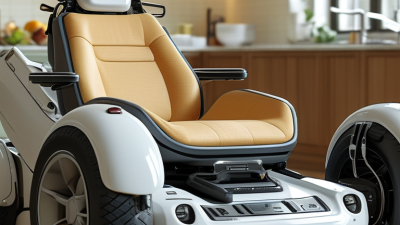
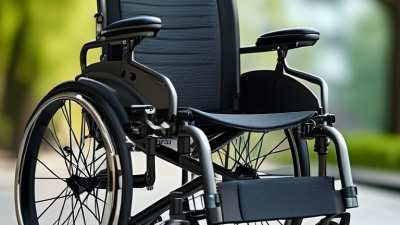
Choosing the right wheelchair in 2026 requires more than comparing prices, motors, or colorful frames. For global buyers, “Medicare approved wheelchairs” should be understood carefully. Medicare does not maintain one universal approval list for every chair. Instead, the Centers for Medicare & Medicaid Services (CMS) evaluates medical necessity, documentation, equipment type, and supplier eligibility.
The CMS National Coverage Determination for Mobility Assistive Equipment remains a practical reference. It explains when manual wheelchairs, power wheelchairs, and scooters may qualify under Medicare Part B. A physician’s face-to-face evaluation may be required. A Medicare-enrolled supplier must also handle the claim. Coverage is not automatic. That detail matters.
Demand is expanding worldwide. The World Health Organization and UNICEF reported in the Global Report on Assistive Technology that more than 2.5 billion people need at least one assistive product. This number may reach 3.5 billion by 2050. A wheelchair must fit real routines, not only a product page. Consider a narrow apartment doorway, uneven pavement, airline transport, battery charging, and local repair access. Small details become expensive problems.
This guide compares leading wheelchair types using Medicare criteria, user experience, safety considerations, and international purchasing realities. It also considers recognized technical principles, including ISO 7176 testing for wheelchair performance and safety. Still, product specifications can change. Regional rules differ. Verify current CMS guidance and local import requirements before purchase. No ranking can replace a qualified clinical assessment, and some recommendations may need revision as evidence and policies develop.
“Medicare-approved wheelchair” sounds like a single official label. In practice, it can be misleading. In 2026, Original Medicare may cover certain wheelchairs as durable medical equipment when a qualified clinician documents a medical need and coverage rules are met. The chair must fit the user’s condition and intended use, such as moving around the home. A prescription alone does not guarantee payment. Details matter.
Medicare coverage is not a global product certification. It applies to eligible people and purchases under U.S. Medicare rules; buyers elsewhere should not assume reimbursement. Supplier enrollment, documentation, equipment type, and any applicable prior authorization requirements can affect coverage. Manual and power wheelchairs may have different criteria.
Check current Medicare guidance and confirm details with the supplier before ordering. Ask what the quoted price includes, too: delivery, fitting, adjustments, and repairs can change the real cost. The language is confusing, and even careful buyers can miss a condition. That deserves a second look.

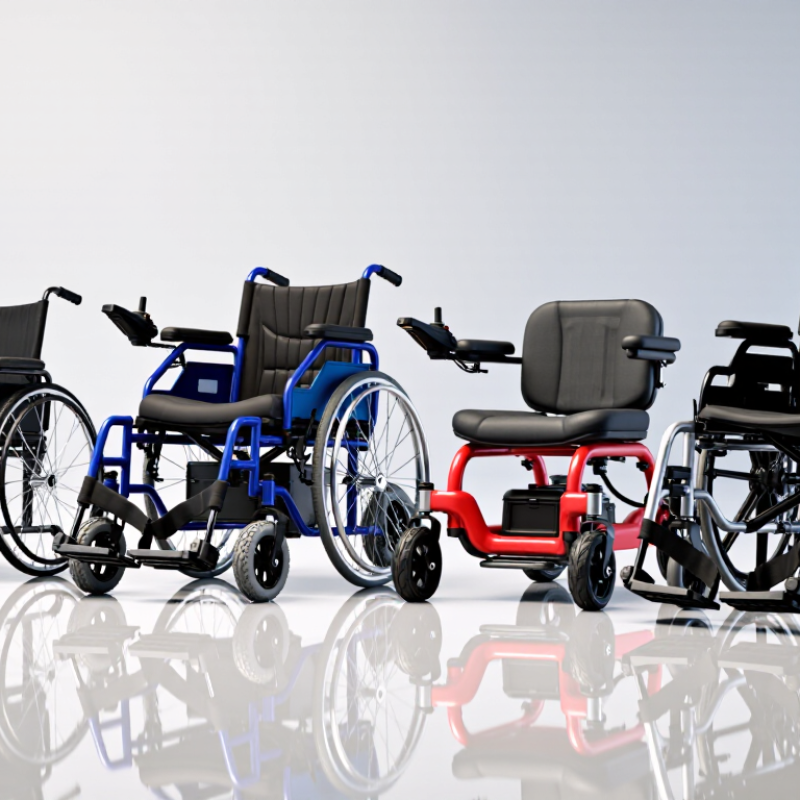
A wheelchair should match the user’s strength, posture, home layout, and usual journeys. Manual wheelchairs suit people who can push their own chair or have a caregiver to assist. Lightweight folding frames are easier to lift into a car, while sturdier models can feel more stable on uneven paths. Transport chairs have small rear wheels and require someone else to push them. They are often practical for clinic visits, airports, or short outings. Short trips matter.
Power wheelchairs can help when pushing a manual chair is difficult or tiring. Control style, seat support, turning radius, and battery range all affect daily comfort. A compact turning radius can help in narrow hallways, but may not solve every access problem. Scooters are designed mainly for users who can sit upright and operate the controls; they may not suit people needing substantial trunk support. Fit should be checked in person when possible. Measurements on a product page can be misleading.
For global buyers, “Medicare approved” does not mean universal coverage or suitability. In the United States, coverage generally depends on medical need, documentation, and program rules. Other countries have different funding and equipment standards. Ask a qualified clinician or seating specialist to assess posture, transfers, and pressure-relief needs before choosing. Home thresholds and bathroom turns deserve attention too. They’re easy to overlook.
Medicare coverage is not based on a wheelchair being labeled “approved.” Under Original Medicare, a person generally needs Part B and a clinician’s documentation that a wheelchair is medically necessary for use at home. The clinician must evaluate the person’s mobility needs and provide a written order. Medicare may cover a manual or power wheelchair, depending on what the person can safely use and the limits of their condition. A prescription alone does not guarantee payment. Details matter.
The equipment usually must come from a supplier enrolled in Medicare, and prior authorization may apply to certain power mobility devices. Coverage can also depend on the person’s home setup and ability to operate the chair safely. With Original Medicare, the beneficiary typically pays 20 percent of the Medicare-approved amount after meeting the Part B deductible, when coverage requirements are met. Medicare Advantage plans may have different networks and approval steps, so check the plan before ordering. Keep records.
For buyers outside the United States, Medicare generally does not pay for routine wheelchair purchases made or used abroad. Rules and exceptions can be complex, so confirm coverage directly with Medicare or the plan administrator before paying. A foreign seller’s claim of Medicare approval is not proof of reimbursement. Request written details about eligibility, supplier status, and any required assessment; these steps can feel tedious, but skipping them may leave the buyer responsible for the full cost.
| Coverage topic | Medicare rule or requirement | What buyers should know |
|---|---|---|
| What “Medicare-approved” means | Medicare does not endorse a best wheelchair brand or publish a general list of “approved” wheelchair brands. Coverage depends on medical necessity, the specific equipment, Medicare requirements, and the supplier. | Confirm that the supplier is enrolled in Medicare and that the exact item and configuration meet coverage rules before ordering. |
| Basic eligibility | Original Medicare Part B may cover a wheelchair as durable medical equipment (DME) when a treating practitioner determines it is medically necessary for use in the home. | A diagnosis or preference alone is not enough; the medical record must support the functional need for the prescribed equipment. |
| Mobility limitation | The person must have a mobility limitation that significantly affects activities of daily living in the home, such as toileting, dressing, bathing, or moving between rooms. A cane or walker must not adequately resolve the limitation. | The assessment considers whether the person can safely and effectively move around the home, not just whether a wheelchair would be useful outdoors. |
| Standard manual wheelchair | May be covered when a manual wheelchair is medically necessary for in-home mobility and the person or a caregiver can safely operate it. | The practitioner’s documentation should explain why less supportive mobility aids are insufficient and how the chair will be used in the home. |
| Lightweight or ultralightweight manual wheelchair | A more specialized manual chair may be covered when the medical record supports the need for its features; an ultralightweight chair generally requires additional clinical justification, such as a need for individualized adjustments or efficient self-propulsion. | A request for a lighter or more adjustable chair is not, by itself, proof of coverage eligibility. The specific functional and clinical need must be documented. |
| Power-operated scooter | A scooter may be covered when the person meets Medicare’s mobility criteria and can safely operate the tiller, maintain the required posture and stability, and transfer on and off the device. | A clinical assessment should address safe operation and the suitability of the home environment, including access and maneuvering space. |
| Power wheelchair | May be covered when the person meets the applicable mobility criteria and cannot safely or effectively use an appropriate manual wheelchair or scooter. The prescribed type must match the person’s medical and functional needs. | Power mobility equipment has additional documentation and ordering requirements. Coverage is not automatic for convenience or for use only outside the home. |
| Evaluation and order | A face-to-face mobility evaluation and a written order are required for power mobility devices under Medicare rules. The order and supporting records must meet applicable timing and documentation requirements. | Do not take delivery before the supplier confirms that required evaluations, records, and orders are complete; early delivery can affect payment. |
| Home suitability | The prescribed equipment must be appropriate for use in the home. Relevant considerations can include doorways, floor surfaces, turning space, ramps, and whether the device can reach the areas needed for daily activities. | Discuss home access and measurements with the clinician and supplier during the assessment. |
| Original Medicare costs | For covered Part B DME, the beneficiary generally pays the Part B deductible if it has not been met, then 20% of the Medicare-approved amount. The supplier’s participation and the applicable payment rules affect the final cost. | Ask for a written cost estimate and verify the 2026 deductible, approved amount, and supplier billing arrangement with Medicare or the supplier before purchase. |
| Medicare Advantage | Medicare Advantage plans must cover Medicare-covered services, but plan networks, authorization procedures, cost-sharing, and supplier rules may differ from Original Medicare. | Contact the plan before arranging an evaluation or ordering equipment; use an in-network supplier when required. |
| Prior authorization | Prior authorization requirements can apply to certain DME items and situations. Requirements may vary by item, location, and coverage arrangement and can change over time. | Have the supplier check current Medicare and plan requirements for the exact equipment before delivery. |
| Repairs and replacement | Medicare may cover medically necessary repairs to covered DME, subject to applicable rules. Replacement is not guaranteed on request and may depend on medical need, condition, and the equipment’s useful-lifetime rules. | Keep service records and ask the supplier or plan whether repair or replacement is covered before authorizing work. |
| Global buyer note | Medicare is a United States health coverage program. Its wheelchair coverage rules generally do not determine payment for purchases or care outside the U.S. | International buyers should check their local health system, insurer, import rules, electrical standards, servicing access, and warranty coverage. |
Coverage depends on individual medical records, the prescribed equipment, supplier participation, and the beneficiary’s coverage arrangement. Confirm current 2026 requirements with Medicare, the plan, and the enrolled supplier.
Choosing a wheelchair for comfort, mobility, and safety requires more than checking its price or “Medicare-approved” label. The WHO and UNICEF Global Report on Assistive Technology (2022) estimates that 2.5 billion people need assistive products worldwide. Nearly 1 billion people lack access. Fit matters. Measure seat width, depth, back height, and footrest position with professional guidance. A chair that feels acceptable for five minutes may cause hip pressure after two hours.
Comfort should support real routines, not showroom poses. Test the cushion on a firm surface. Check whether the user can transfer safely, reach controls, and maintain an upright posture. For mobility, compare turning radius, wheel size, battery range, terrain limits, and transport weight. Under U.S. Medicare guidance, coverage depends on medical necessity, documentation, and supplier requirements, not marketing language (CMS Medicare Benefit Policy Manual, Chapter 15). Confirm the prescription process before purchasing internationally.
Safety includes reliable brakes, anti-tip features, secure footrests, and visible reflectors. Power models need accessible emergency controls and battery protection. ISO 7176 wheelchair standards provide useful testing references for stability, durability, and performance, but test results do not replace a personal trial. I would not assume the lightest chair is the safest. Sometimes it is harder to control outdoors. User needs also change. Reassess after surgery, weight changes, or reduced hand strength. The perfect comparison remains imperfect without trained fitting and daily experience.
The phrase “Medicare-approved” can be misleading for buyers outside the United States. Medicare coverage depends on a person’s eligibility, medical need, and coverage rules; it is not a universal safety certificate. Ask the seller for the exact model specifications and supporting documentation. Check that the chair meets applicable requirements where it will be used and serviced. Paperwork matters.
Fit the wheelchair to the rider, not just the product listing. Measure seat width, depth, and doorway clearance at home. A chair that looks compact online may still struggle through a narrow bathroom entrance. Ask a qualified clinician or seating professional to review posture, pressure needs, and transfer ability. Small differences matter.
Then check practical details: total weight, folding dimensions, battery type, charger voltage, and expected range with the rider aboard. Confirm local availability of tires, batteries, and repair support, plus warranty coverage across borders. Request written answers. If the seller cannot explain shipping, service, or documentation clearly, pause before paying. I would also test the chair on the actual surfaces—thresholds and rough paving can change the experience more than a showroom floor suggests.
El Paso – Main Branch